
This website contains affiliate links, and some products are gifted by the brand to test. As an Amazon Associate, I earn from qualified purchases. Some of the content on this website was researched and created with the assistance of AI technology.
Key Takeaways
- Anchor romance with contrast: pair saturated red roses with creamy counterparts, then ground them with matte metals, raw wood, and soft linens for warmth without glare.
- Keep everything below sightline: low, compact arrangements protect conversation flow and make food service effortless.
- Design in modules: build lift-and-shift clusters on trays and boards so you can reset quickly when guests arrive.
- Control sheen and scent: brushed metal, frosted glass, and unscented candles flatter roses and guests’ senses.
- Repeat intentionally: echo your centerpiece’s palette at place settings, on sideboards, and on coffee tables for a cohesive, camera-ready room.
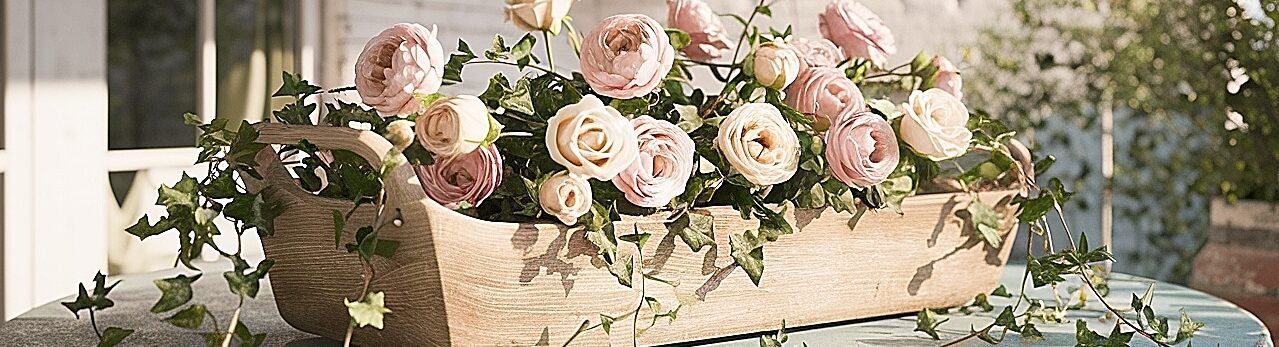
Romantic Christmas Tablescapes Using Red and Cream Roses thrive on tension, the velvet depth of red, the quiet glow of cream, and the way candlelight threads the two together. I’ve chased this balance for years, and it never gets old. The goal isn’t a formal display that scares the appetizers; it’s a lived-in luxury where roses feel at home next to walnut grain, pewter edges, and linen softened by use.
I design for movement first. Elbows need space. Platters need lanes. The flowers should whisper, not shout, as the room breathes. I’ll walk you through centerpieces, runners, place settings, and side accents, plus precise color-mixing tricks and fruit pairings that bring the whole table alive under a warm 30–40% dim. You’ll get actionable steps and materials that behave under real party pressure.
Romantic Red & Cream Rose Christmas Tablescape Planner
Use this quick planner to organize your romantic red-and-cream rose Christmas tables: start with the foundation, then layer centerpieces, secondary surfaces, windows and seating, and finally height and accent pieces. Tap “Copy checklist” to grab a theme.
| Design Stage | Where to Focus | Key Styling Moves | Best Use Cases |
|---|---|---|---|
|
Table Foundation & Palette Build the red-and-cream rose base and calm winter palette. |
Main dining table surface, basic linens, chargers, plate zones, and nearby consoles that share the same color story. |
|
When you’re planning the overall mood first, before diving into
individual centerpieces or accent pieces.
|
|
Centerpieces & Runners The main rose story down the center of the table. |
Center of the dining table, long runner zones, low cluster groupings, and end-of-table focal clusters. |
|
Perfect when you want the
table’s center to feel romantic, lush, and consistent from one end
to the other.
|
|
Buffets & Extra Surfaces Supporting tables that echo the main rose look. |
Buffet tables, sideboards, drink stations, coffee tables, and small side tables in the dining or living area. |
|
Ideal for making the whole party space feel coordinated without
crowding surfaces guests actually use.
|
|
Windows, Seating & Flow Linking the table to ledges, windows, and seating. |
Window ledges, sills near the table, dining chairs, benches, and small furniture pieces along the walls. |
|
Best for tying the tablescape into the rest of the room so the
whole space feels like one romantic scene.
|
|
Height, Texture & Accents Final polish and layered dimension for the whole look. |
One prominent tall arrangement, chosen corners of the table, sideboards, and any key visual sightlines in the room. |
|
Ideal when you’re ready to refine the design, add depth, and
make the whole room feel finished and intentional.
|
Where to focus: main dining table, base linens, runners, and any consoles that share the color story.
- Set your red vs. cream rose ratio for the whole room.
- Choose greenery (cedar, eucalyptus, pine) to repeat.
- Keep plate and edge zones open for comfort.
Where to focus: center of the table, long runners, end-of-table clusters.
- Use low red-and-cream centerpieces for clear sightlines.
- Run small clusters down the table in a gentle rhythm.
- Weave greenery between clusters for softness.
Where to focus: buffets, sideboards, drink stations, coffee and side tables.
- Place rose bundles along backs and corners, not fronts.
- Keep serving and walkways clear and easy to use.
- Echo small rose touches on shelves or consoles.
Where to focus: window ledges, sills, chairs, benches, and wall-side furniture.
- Use slim rose displays on window ledges with greenery.
- Add tiny rose details to select chairs or benches.
- Repeat the same rose-greenery combo around the room.
Where to focus: one main focal point plus a few key sightlines in the room.
- Add one tall rose arrangement to anchor the view.
- Layer in natural textures like linen and wood boards.
- Use minimal accent pieces so roses stay center stage.
Shopping Checklist for Romantic Red & Cream Rose Tablescapes
Stock up on the essentials for red-and-cream rose Christmas tablescapes. Use these category-based lists to build your Amazon cart, then tap “Copy shopping list” for each group you want to buy in one go.
| Category | Must-Have Items | Where They’re Used | Quick Copy |
|---|---|---|---|
|
Roses & Florals The romantic core of every tablescape. |
|
Main dining centerpieces, low clusters along runners, buffet corners, coffee tables, entry consoles, and small chair or bench accents. | |
|
Greenery & Winter Texture Soft structure around the roses. |
|
Woven into runners, tucked around clusters, laid along window ledges, framing buffet edges, and linking table décor with nearby furniture. | |
|
Linens & Soft Layers The base that makes roses feel cozy. |
|
Dining tables, buffets, consoles, benches, and chairs—wherever you want soft fabric layers to support the rose color palette. | |
|
Vessels, Boards & Trays Places for roses to sit and shine. |
|
Center of the table, ends of long tables, coffee tables, sideboards, shelves, and entry tables that echo your main rose arrangement. | |
|
Tools & Small Accents The helpers that keep everything in place. |
|
Used across tables, window ledges, chairs, benches, and consoles to secure roses, anchor greenery, and finish small vignettes neatly. |
- Fresh red roses for drama.
- Cream or ivory roses for softness.
- Dried rose heads or mini buds (optional).
- Neutral filler blooms to plug gaps.
Where: centerpieces, runners, coffee tables, sideboards, and entry tables.
- Cedar greens or similar evergreen bundles.
- Eucalyptus stems or garlands.
- Pine or fir sprigs to tuck around roses.
- Pinecones and small dried pods for texture.
Where: around centerpieces, along runners, on buffets, window ledges, and consoles.
- Neutral tablecloths or let the table show.
- Soft runners to anchor roses.
- Cloth napkins in warm neutrals.
- Napkin rings or twine to tie mini roses.
Where: main dining table, buffets, consoles, and seating areas.
- Low neutral vases for main arrangements.
- Bud vases for single rose stems.
- Shallow bowls for compact clusters.
- Boards and trays to group items neatly.
Where: dining centerpieces, coffee tables, sideboards, shelves, and entry tables.
- Floral shears and tape or wire.
- Twine or ribbon for napkins and mini bundles.
- Removable hooks/clips for greenery placement.
- Neutral accent pieces (bowls, books, small objects).
Where: everywhere–to secure stems, finish vignettes, and keep the layout tidy.
How to Build a Romantic Red-and-Cream Rose Christmas Centerpiece

I start with height discipline: nothing taller than a palm above the table. I pick a low vessel, stoneware bowl, shallow brass compote with a patina, or a wide pewter tray, and create a stable base using a floral pin frog or a chicken-wire dome taped inside. Roses stay where I put them, so the silhouette stays steady when someone bumps the table.
Then I cluster roses by tone in tight, natural groupings, three red, two cream, repeat, letting the eye rest between color fields. I tuck cedar tips and a few sprigs of olive or seeded eucalyptus to break the symmetry and soften edges. One small bead garland or a linen ribbon band around the vessel finishes the vignette without turning it fussy. I aim the entire arrangement toward the nearest window so petals catch ambient light.
For sturdiness, I cut stems short, at a 45-degree angle, and condition them in lukewarm water with a pinch of sugar and a drop of bleach for 30 minutes before arranging. In winter-dry rooms, I mist lightly before guests arrive and hide a shallow water reservoir under preserved moss. I slide the finished piece onto a walnut board to protect the table and to give the centerpiece the “weight” romance needs.
Choose a low, wide vessel; stabilize with frogs or wire; cluster red and cream roses in small tonal groupings; soften with cedar/olive; and angle the arrangement toward window light so it glows. There’s more nuance ahead, keep reading for greenery that intensifies romance without crowding.
If you love rustic texture with roses, you’ll also enjoy this related guide: Rustic Christmas Party Decorations Using Dried Roses. If it helps, share this post with friends on social media so their tables can shine too. There’s far more detail below, keep reading for greenery picks that amplify softness and structure.
What Are the Best Greenery Choices for Romantic Rose Christmas Tables?

- Cedar
Feathery and fragrant, cedar drapes naturally and brings immediate seasonal context without prickling guests. I layer short cedar fans under rose clusters to widen the footprint while keeping the arrangement low. Cedar’s flat texture catches candlelight in micro-shadows, which makes cream roses read luminous and red roses look velvety. Use sparingly near plates, just enough to frame, not enough to shed. If your room runs dry, mist cedar lightly, but avoid over-wetting petals. - Seeded Eucalyptus
Those soft gray-green pods echo bead garlands and add delicate movement. I run three or four stems through the centerpiece to stitch red and cream zones together. The cool undertone tempers crimson and keeps the palette sophisticated. I trim seeds short near serving lanes and let a few pods peek out at the edges for texture. Bonus: the scent stays gentle and doesn’t fight with food. - Olive
Olive leaves bring a silvery sheen that reads like winter light captured in foliage. I love olive for table runners and low bowls where I want air between elements. The narrow leaves help define negative space, giving roses a stage instead of a crowd. Angle leaf tips outward and keep lengths short so sleeves don’t snag as plates pass. Olive also photographs beautifully beside pewter and linen. - Boxwood
Compact, tidy, and architectural, boxwood makes roses look intentional, not accidental. I use small pieces as “hedges” that hold clusters in place and create clean edges along a runner. The deep green amplifies cream roses and reins in red. Preserved boxwood won’t shed and stays vibrant through long evenings under warm lamps. Keep heights even so the eye reads a calm horizon. - Pine
Fine needles deliver a subtle, spark-like texture that flatters candlelight and metallic accents. Pine works best in micro-doses: a few 3–4-inch cuts tucked under rose heads to fan out color. It introduces that alpine note without becoming a wreath on a plate. Keep it clear of stem ends and wet mechanics; dry needles near heat can curl, so give candles a safe buffer.
Combine one grounding evergreen (cedar or boxwood) with one airy accent (olive or seeded eucalyptus), then add a hint of pine for sparkle. There’s more to explore ahead, keep reading to turn place settings into quiet, romantic moments.
How to Style Romantic Rose-Filled Christmas Place Settings

Place settings should feel generous without stealing elbow room. I lay a bone-linen napkin across the plate in a soft rectangle and tie a 3/8-inch velvet ribbon, claret or cream, around the center. Under the knot, I tuck a single spray rose or a bud with one olive tip. It’s tactile, simple, and unmistakably festive. I park the menu card behind the ribbon and tilt it five degrees for a relaxed line.
Glassware glows if you give it a teammate. I set a frosted votive just above the knife tip and angle the votive’s open side away from the guest to reduce glare. Coasters in brushed pewter or slate keep condensation off the table and stitch metals across the room. If your cutlery runs warm (brass), swap the ribbon to cream so tones don’t compete.
For cohesion, repeat micro-motifs: a tiny cedar fan under each napkin tie, or a seed pod glued to the menu edge. Keep the repetition light; the point is a whisper that connects the table. If you expect kids or a high-energy crowd, wire the rose to the ribbon so it doesn’t go traveling with the bread basket.
Napkin ties with single blooms, micro-greenery, and soft ribbons create romance without crowding; add a frosted votive for glow and coordinate metals through coasters and flatware. There’s more color intelligence ahead, keep reading to mix reds and creams without looking bridal or overly formal.
What Are the Best Ways to Mix Rose Colors for a Romantic Christmas?

- Tonal Red Gradient
Blend deep burgundy with classic crimson and one pop of cherry. The gradient adds depth without chaos. I group darkest tones at the center and step lighter toward the edges, like a slow fade. Cream roses punctuate the gradient, not split it. The result reads cinematic under candlelight and avoids the flatness of one-note red. - Cream Core with Red Halo
Build a creamy nucleus, ivory, butter, or antique white, then ring it with relaxed red clusters. The white center acts like a light source, making the reds glow instead of dominate. I use seeded eucalyptus to bridge the transition so the shift feels intentional. Great for narrow tables where a pale center keeps things airy. - Checkerboard Clusters
Alternate small clusters of red and cream in a gentle grid, never rigid. I let greenery weave between to blur the edges. This approach photographs cleanly from above and plays well with patterned linens. Keep cluster sizes uneven so it doesn’t feel like a chessboard. - Red-Heavy with Cream Sparks
If your room is dim and moody, lean into red, 70–80%, and flicker cream sparingly near light sources. Cream becomes a highlight on risers or near candlesticks. The high-red ratio reads romantic, not loud, when you temper it with matte metals and raw wood. - Blended Duos with Spray Roses
Pair full-size blooms with cream spray roses to soften transitions. I run the sprays along “fault lines” where colors meet, adding tiny petals that guide the eye. It’s particularly effective in runners where you want movement without height.
Pick a dominant strategy, gradient, halo, or duo, and let greenery and spray roses smooth transitions. There’s more room styling ahead, keep reading for sideboard ideas that echo the table without duplicating it.
Ways to Add Romantic Rose Christmas Accents to Sideboards and Consoles

- Offset Vignette with Books
I stack two vintage books, top them with a low stoneware cup of red and cream roses, and counterbalance with a small pewter tumbler filled with cedar. A slim bead garland snakes between. The negative space stays open for glasses and small bites. The books lend patina, and the offset focal keeps the look relaxed. - Lantern Anchor with Sidecar Posy
A squat, glass-paneled lantern with an unscented pillar becomes the anchor. To its reading-hand side, I seat a tiny rose cup on a hammered saucer with one cone for winter texture. The lantern throws warm light that makes cream petals glow and red petals deepen. Everything lifts quickly when you need the surface. - Mirror Glow Echo
If a mirror hangs above the console, I place a narrow pewter tray with three micro-clusters along the back edge so reflections double the roses at night. I avoid tall pieces that block sightlines and keep ribbons short to prevent fussy shadows.
Create one strong anchor (books, lantern, or tray), keep height low, and leave a practical lane clear. There’s centerpiece craft up next, keep reading to build low-rise clusters that handle traffic.
How to Build Low-Rise Rose Clusters for Romantic Christmas Centerpieces

Low-rise clusters survive the party. I bind three roses (two red, one cream) at staggered heights with floral tape, then wrap stems with waterproof tape for grip. I build four or five of these “pods,” each finished with a cedar fan or olive snippet. Pods tuck into a shallow bowl filled with a pin frog or a taped grid, forming a full centerpiece that still sits below the line of sight.
To protect surfaces and increase stability, I sit the bowl on a vintage board or a large pewter charger. I pull a few petals from aging blooms, then cup the exterior with fresh petals so the face looks perfect at dinner. I add a single frosted votive at each quadrant to create soft cross-light that flatters the petal texture.
Pre-bind pods of mixed roses with short greenery, seat them into a shallow, stabilized base, and light from low angles. There’s seasonal flavor ahead, keep reading to weave winter fruit into rose displays.
Ideas for Adding Winter Fruits to Romantic Christmas Rose Displays

- Pomegranate Halves
Deep ruby arils echo red roses and add a jeweled gleam under candlelight. I place halves on pewter saucers to avoid staining linens and angle them slightly toward the light source. The matte peel and glossy interior create textural contrast near cream blooms. - Clementines with Leaves
Whole clementines with attached leaves bring a Tuscan warmth. I cluster three near the centerpiece base or along a runner. Their round shape softens angles, and the leaf green bridges foliage and fruit without stealing attention. - Red Pears
Bosc or red Anjou pears add sculptural height without spiking the profile. I nestle them into moss pockets so they don’t roll. Their muted skin pairs beautifully with linen and boxwood, and the taper echoes rose bud shapes, reinforcing the theme. - Cranberry Strings
Short, 12–18-inch strands of cranberries behave like natural bead garlands. I coil them in S-curves around clusters, pinning the curve in place with floral wire so the line holds when someone reaches for bread. The micro-shine plays well with frosted glass. - Sugared Grapes
Lightly brushed with egg white and superfine sugar, grapes become frosty accents. I corral them in a shallow dish to prevent travel and keep them away from direct candle heat. The shimmer lifts cream roses and makes the table feel quietly enchanted.
Seat fruits on coasters or dishes, use short runs and tight clusters, and treat them as texture and tone, never as height. There’s more flow work ahead, keep reading to build rose-filled runners that look abundant but never bulky.
How to Create Rose-Filled Runners for Romantic Christmas Tables

I build runners like gentle rivers, not barricades. I roll a narrow linen runner down the centerline, then set a repeating cadence: pod of roses, cedar fan, olive sprig, frosted votive, repeat every 10–12 inches. I keep the highest point at 4–5 inches and leave hand-widths of space every foot for serving tools and passing plates.
Mechanically, I work in modules. Each micro-cluster sits in a low cup or a jelly jar with a pin frog, hidden under preserved moss. The jars wedge into the greenery so the runner moves as one unit but separates quickly for cleanup. If your table is long, mirror the pattern from the center outward so both ends match when seated.
Craft a repeating, low pattern over a thin fabric base, anchor micro-clusters in hidden cups, and leave purposeful gaps. There’s living-room spillover ahead, keep reading to carry romance onto coffee tables without blocking movie-night snacks.
Ways to Use Romantic Rose Accents on Coffee Tables During Christmas

- The Offset Triangle
Place a low rose cup at the front-left of a tray, a cedar-and-cone pod at back-right, and a frosted votive at front-right. The empty quadrant becomes the coaster zone. The triangle reads natural and keeps hands happy. - Sidecar Lantern
Seat a squat lantern on the tray and park a tiny rose cluster to its “reading-hand” side. The lantern anchors; the cluster softens. Choose brushed metal to avoid glare on screens during movies. - Book Stack Pedestal
Stack two vintage books with linen covers; top with a small bowl of roses. Tuck a pewter coaster and a single clementine alongside. This adds height variety while staying under sightline. - Beaded S-Curve
Run a short wood-bead strand in a shallow S and drop rose heads at the curve’s peaks. Pin two beads with floral wire so the shape holds when someone grabs the remote. - Cloche Moment
Cover one perfect cream rose under a mini cloche on a slate coaster. Flank with two red roseheads in moss cups. It’s a small, museum-gentle gesture that still lifts off in one move for board games.
Design micro-scenes on trays with anchored elements, keep everything liftable, and maintain an open “practical” zone for mugs and remotes. There’s more to unpack above, keep reading the rest of the article for palette tweaks, lighting tricks, and guest-proof mechanics.
Conclusion
Romance on a Christmas table isn’t volume, it’s restraint with intention. Red and cream roses do the heavy lifting when you keep profiles low, stabilize stems, and ground the palette with cedar, olive, pewter, and linen. Build centerpieces in pods, run modular clusters down a narrow runner, and echo the story on sideboards and coffee tables. Add fruit for glow and shape, light with frosted glass and unscented pillars, and aim everything toward window light for that dusk-hour magic. Edit once before guests sit: remove one flourish, clear a serving lane, and test a 45-degree photo for balance. Do this, and your Romantic Christmas Tablescapes Using Red and Cream Roses will feel handcrafted, lived-in, and quietly cinematic, the kind of setting where people linger long after dessert.
This website contains affiliate links, and some products are gifted by the brand to test. As an Amazon Associate, I earn from qualified purchases. Some of the content on this website was researched and created with the assistance of AI technology.