
This website contains affiliate links, and some products are gifted by the brand to test. As an Amazon Associate, I earn from qualified purchases. Some of the content on this website was researched and created with the assistance of AI technology.
Key Takeaways
- Keep profiles low and sightlines open: rose runners should sit at or below palm height so conversation flows and the room feels intimate.
- Build in modules: create small, liftable rose clusters every 10–12 inches along the runner for fast setup, easy edits, and simple cleanup.
- Control texture and sheen: lean on matte linens, brushed metals, and soft woods so fresh roses glow without harsh glare.
- Anchor a disciplined palette: choose one dominant rose tone with one or two supporting shades to add depth without chaos.
- Protect surfaces and flow: use felt pads, pewter saucers, and moss pockets; leave clear lanes for plates, glassware, and serving hands.
Rustic Valentine’s Day Table Runners with Fresh Roses thrive on restraint. I aim for a mood that feels lived-in and cinematic, roses low enough for eye contact, light warm enough for faces, textures quiet enough to let petals do the storytelling. A runner should connect the table like a sentence: commas of roses, soft pauses of greenery, and the occasional exclamation of velvet ribbon or frosted glass.
I learned this on a long farmhouse table where an overbuilt runner turned dinner into a hedge maze. Now I design like a director: keep the main line slim, tuck rose clusters at rhythm points, and let honest materials, linen, cedar, olive, pewter, carry the rustic tone. Below, I’ll map exact builds, color logic, and small mechanics that make your Valentine’s table rich but breathable.
How to Style a Rustic Valentine’s Runner on a Farmhouse Table

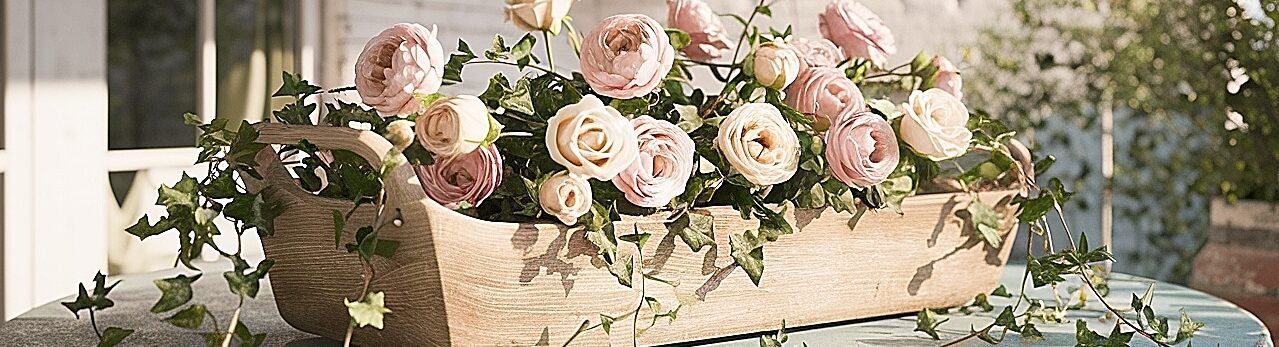
A farmhouse table deserves a runner that feels handmade but disciplined. I start with a natural linen runner or narrow raw-silk strip, leaving at least six inches of exposed wood at both long edges so the surface still reads honest and warm. I build a thin green spine, olive or cedar rope, then add low rose micro-clusters (two cream, one red) every 10–12 inches. Keep the height under five inches; conversation wins over floribunda drama.
Mechanics matter. I bind each cluster with floral tape, pop stems into micro water tubes, and wrap the tubes with preserved moss for a soft finish and moisture control. Battery micro-lights hide under foliage at cluster points only, never as a continuous strip, to avoid runway glare. Brushed pewter votives sit in the negative space between clusters, not on top of them.
Run a slim greenery spine down linen, seat moss-wrapped rose clusters at rhythm points, and light with soft, non-glare accents to keep the table intimate and functional. For deeper color logic and guest-friendly plate details, see Romantic Valentine’s Day Table Settings with Fresh Roses, and if this helps, share this post with a friend who loves a calm, handcrafted table. There’s more ahead; keep reading for a full color playbook.
What Are the Best Rose Colors for Rustic Valentine’s Runners?

- Deep Crimson
Crimson gives the runner its heartbeat. Under warm light, it reads velvety, not loud, and anchors the rustic palette against raw wood and matte pewter. I use crimson as the base note at cluster centers, then let lighter tones soften the edges. It resists washing out in dim rooms, keeping energy without shouting. Avoid glossy chargers nearby; matte surfaces protect that plush, editorial feel. - Soft Blush
Blush diffuses the intensity of deeper reds while keeping the table romantic. It reflects candlelight beautifully, casting a flattering glow onto faces. I seat blush blooms toward the outer edges of clusters so they feather into the linen. Be careful with too much white around blush; add an olive tip or a pewter accent to keep the mood warm and grown-up rather than bridal. - Cream/Ivory
Cream acts like a built-in reflector, brightening the runner without adding height. I place cream roses near votives and reflective metal to create small highlights that make deeper colors pop. It calms patterned plates and busy flatware. To keep cream sophisticated (not yellowed), pair with cool greens like olive or seeded eucalyptus and avoid overly warm, shiny golds. - Black Cherry/Burgundy
Burgundy adds cinematic shadow and depth. Tuck it low in the spine and let a few blooms peek at cluster interiors to simulate visual layers. It photographs beautifully with micro-lights beneath foliage, but it can feel heavy if overused. Balance with blush or cream nearby, and choose brushed brass or pewter over bright gold for a kinder pairing. - Antique Pink (Dusty Rose)
Dusty rose bridges eras, vintage glass and modern stoneware suddenly play nicely. I use it in smaller buds at the edges of clusters and in ribbon details. It tempers black or charcoal flatware and makes the palette feel nuanced. Keep foliage matte and tidy; shiny leaves can push dusty rose toward dated instead of intentionally nostalgic. - Coral Red
A whisper of coral wakes up a wood-heavy table without hijacking the palette. I drop one coral bud per every other cluster, never more, to spark warmth and keep the runner from feeling too solemn. It pairs well with bone linen and brushed copper accents but clashes with high-shine gold. Think “sunset note,” not main melody. - Soft Mauve
Mauve is the quiet poet, subtle, smoky, and incredibly flattering under lamplight. I weave it in as spray roses near the ends of the table, where shadows are deeper. It ties burgundy and blush together seamlessly. Use sparingly so the runner stays grounded; too much mauve can mute the scene.
Pick one anchor (crimson or burgundy), one diffuser (blush or cream), and one bridge (dusty rose, mauve, or a touch of coral) for layered depth without clutter. Keep reading for outdoor adaptations that handle breeze, temperature, and uneven surfaces.
Ways to Use Rustic Valentine’s Runners on Outdoor Farmhouse Tables

Outdoor tables come with drafts, texture, and uneven planks. I weight the runner with low-profile pewter plates hidden under the linen at cluster points, then use silicone-coated twist ties to cinch the green spine to the runner itself. Roses sit in water tubes wrapped with moss so hydration lasts even if the air runs dry. Unscented candles live inside glass sleeves to protect petals from heat and wind.
Color reads cooler outside, so I nudge the palette warmer: more cream near lights, a bit more blush at edges, and burgundy tucked low so it doesn’t look black in evening photos. If dew threatens, I build the runner on a narrow board wrapped in linen; the whole piece lifts off in one move and stores on a console inside.
Weigh and cinch the runner, sleeve candles, wrap rose tubes with moss and consider building on a removable board for quick indoor pivots. Now let’s pull the story around the room via sideboards.
Ways to Coordinate Sideboard Runners with Valentine’s Table Decor

- Palette Echo
Mirror your table’s anchor and diffuser tones on the sideboard but reduce density by half. Place micro-clusters at the sideboard’s visual thirds with more cream and blush near lamps for glow, keeping crimson or burgundy as accents only. This keeps the room cohesive without overwhelming the perimeter. - Height Discipline
Sideboards carry drinks and plates, so I cap florals under five inches. I elevate clusters on pewter saucers or walnut blocks to protect wood and add air. Leave the front 12–16 inches open as a serving lane. Function first ensures romance lasts through the meal. - Light Copy
If the table uses frosted votives, the sideboard gets the same finish. Matching glass diffuses light in a consistent language, making roses read unified from any angle. Place batteries or matches in a small lidded bowl for quick resets. - Greenery Thread
Use the same greenery vocabulary, olive, cedar, or seeded eucalyptus, to stitch table and sideboard together. One green too many feels busy; two feels intentional. Thread small sprigs between clusters to connect them visually. - Tray Modules
Build clusters directly on narrow trays using floral tape, then stage them atop the runner. When hot dishes arrive, lift a tray, not a tangle. This keeps the rhythm intact without a scramble.
Echo palette, enforce low height, match lighting, repeat greenery, and stage liftable tray modules for effortless service. Consoles deserve their own poetry, keep reading for styling ideas that stay out of the walkway.
Ways to Style Console Tables with Rustic Valentine’s Runners

- Slim Spine + Asymmetric End
Run a pencil-thin olive spine along the console and bank a fuller cluster at one end. The other end gets sparse buds and a single pewter bell or bowl. This asymmetry feels editorial while keeping daily drop zones clear. - Book Stack Bridge
Stack two linen-bound books on the runner and seat a rose cup on top to break the line. Add a shallow bowl at the opposite side for balance. The stacks act like visual anchors without adding height chaos. - Mirror Glow Pairing
Place two small clusters directly in front of the mirror uprights so reflections double them. Use frosted votives between to create cross-light that flatters petals without hotspots. - Basket Tuck
Slide a wicker basket under the console and echo a tiny cluster on its handle with a felt spacer behind the ribbon to protect fibers. The basket grounds the vignette and nods to farmhouse practicality. - Seasonal Swap Zone
Build clusters on small pewter trays that rotate, weekday candles, weekend photos. The runner stays; the accents rotate. Your space feels fresh without a full rebuild.
Keep console runners’ pencil-thin, anchor with books or mirrors, and build on trays for easy rotation that respects traffic. Coffee tables next, let’s keep them low and guest friendly.
How to Use Runners on Coffee Tables for Rustic Valentine’s Vibes

Coffee tables invite elbows and mugs, so I keep the runner narrow and the florals compact. I center a linen strip with a thin greenery spine and two micro-clusters at the thirds, leaving the middle open for a tray. Roses sit in low bowls on felt-backed saucers to protect wood. No scent near snacks, save fragrance for elsewhere.
For small spaces, I pivot to an “L” layout: short runner segment plus a perpendicular book stack with a single rose cup. It frames the surface without monopolizing it. If kids or pets roam, swap glass votives for warm LED tea lights tucked under foliage for a soft glow without risk.
Narrow the textile, place low protected clusters at the thirds, and reserve space for trays; in tight rooms, use an “L” layout with LED glow for safety. Greenery can make or break the rustic read, keep reading for best pairings.
What Are the Best Greenery Pairings for Rustic Valentine’s Runners?

- Olive Sprigs
Olive’s silvery leaves flatten glare and echo winter light, making cream and blush feel luminous while calming deep reds. Flexible stems weave easily into a thin spine, and the matte finish keeps everything editorial, not shiny. Use as the primary thread between clusters for cohesion. - Seeded Eucalyptus
Those bead-like pods bring fine texture that plays against smooth petals. I use it sparingly as a connector between rose heads, too much turns busy. The cool tone pairs beautifully with ivory and blush, and just a touch adds camera-friendly depth. - Cedar Tips
Cedar gives soft, aromatic volume without bulk. Its flat sprays create a plush backdrop that keeps roses from skewing bridal. It tolerates interior warmth and hides micro-lights gracefully beneath its fronds for an internal glow.
Pick one primary (olive or cedar) and one textural accent (seeded eucalyptus) for disciplined, rustic fullness that stays breathable. Want easy, handmade flourishes next? Let’s talk simple embellishments.
What Are Easy DIY Runner Embellishments for Rustic Valentine’s Decor?

I keep embellishments honest and tactile. Brushed pewter ribbon woven through clusters at crossing points, not the entire length, adds quiet shine. Wax-sealed deckle-edge tags with tiny notes slip under a bud for a personal touch. Walnut slices under votives act as natural pedestals and protect linen. Tiny pewter bells or hammered bowls nestle within clusters for a soft glint without turning festive into fussy.
For cohesion, use one ribbon vocabulary and repeat it room-wide, table, sideboard, console. Hide mechanics with preserved moss; it softens water tubes and catches stray drips. If you want movement, add one linen bow at the runner’s end, never in the middle, so the table’s line stays clean and walk-friendly.
Add brushed ribbon at touchpoints, wax-sealed tags, walnut pedestals, and a single end bow; conceal mechanics with moss for a crafted-but-calm finish. There’s more nuance above, keep reading for color ratios, outdoor anchoring, and sideboard flow you can apply tonight.
Conclusion
A rustic Valentine’s runner doesn’t shout; it whispers. Build a slim green spine on linen, seat moss-wrapped rose clusters at rhythm points, and light softly with frosted glass. Choose an anchor color with one or two companions, repeat that palette on sideboards and consoles, and keep profiles low so chairs, plates, and people move naturally. Protect surfaces with felt and pewter, tuck micro-lights under foliage, and edit once before guests sit. The result: a table that feels warm, handcrafted, and ready for a long, unhurried meal.
This website contains affiliate links, and some products are gifted by the brand to test. As an Amazon Associate, I earn from qualified purchases. Some of the content on this website was researched and created with the assistance of AI technology.