This website contains affiliate links, and some products are gifted by the brand to test. As an Amazon Associate, I earn from qualified purchases. Some of the content on this website was researched and created with the assistance of AI technology.
Key Takeaways
- A healthy living house plant lasts far longer than any cut flower arrangement and can serve as Thanksgiving decor for multiple years running
- Cleaning plant leaves with a damp cloth before guests arrive removes accumulated dust and makes leaf colors appear visibly more saturated under dining room lighting
- Cachepots, decorative outer containers that nursery pots simply slip into, are the fastest way to make existing house plants look intentional as seasonal decor
- Inspecting plants for pests, root-bound conditions, and dead foliage before the holiday prevents displaying a struggling plant on a Thanksgiving table
- The hero plant approach, choosing one large statement plant as the room’s primary botanical focal point, requires less overall decorating effort than multiple smaller arrangements and creates more visual impact
- Local independent nurseries and October farmers’ markets typically yield better-conditioned plants than large chain retailers for Thanksgiving display purposes
Most people buy cut flowers for Thanksgiving and throw them out four days later. There is a better way.
Creating Thanksgiving decor using living house plants instead of cut flowers is something I started doing after one genuinely frustrating holiday weekend where a beautiful arrangement I spent real money on wilted by Friday morning, while guests were still at the house and the table was still being used. Plants do not do that. A healthy pothos, a peace lily in full bloom, a sturdy snake plant in an autumn-colored cachepot: these are still alive a week after Thanksgiving, a month after, sometimes a year after. The value proposition is completely different from cut flowers and most Thanksgiving decorating guides never address it.
The shift in approach changes what you buy, how you prepare, and where you place things. It also changes the visual character of the holiday table and gathering spaces in ways that feel more grounded and more personal. A living plant in your home does something a grocery store bouquet cannot. It looks like it belongs there.
Living House Plant Thanksgiving Placement Guide
Choose a living-plant display by matching location, natural form, setup method, and care protection. This quick guide compares five useful Thanksgiving placements without treating plants like disposable props. Start with healthy plants you already own, confirm each location suits them, then keep drainage, heat, stability, and guest movement in mind.
Where Should Living Thanksgiving Plants Go?
Match each holiday location with a useful plant form, a simple setup, and one essential care safeguard.
| Location | Best Plant Form | Useful Setup | Care Safeguard |
|---|---|---|---|
| Dining Surface | Compact, upright, or neatly rounded | One focal plant or two widely separated plants | Keep containers stable and all meal space comfortably accessible |
| Buffet Edge | Upright foliage with contained spread | Frame the service area from its outer ends | Maintain a generous buffer from food and warm serving equipment |
| Mantel | Small plants with distinct heights | Build a staggered group with restrained pottery | Use only a cool, stable surface with suitable room conditions |
| Floor Group | One tall, one medium, and one compact plant | Create an offset visual triangle | Keep every pot beyond normal walking and chair-clearance zones |
| Guest Bathroom | One or two compact moisture-tolerant plants | Use fitted saucers and leave the surface mostly open | Confirm useful light and avoid routinely wet household surfaces |
Resources:
- How to Care for Houseplants | Yard and Garden
- Houseplants | RHS / RHS
- Decorating with plants: 11 ways to display house plants | Homes and Gardens
- How to Source Houseplants Ethically and Sustainably | New York Botanical Garden
How to Inventory Healthy Living House Plants for Thanksgiving Decor
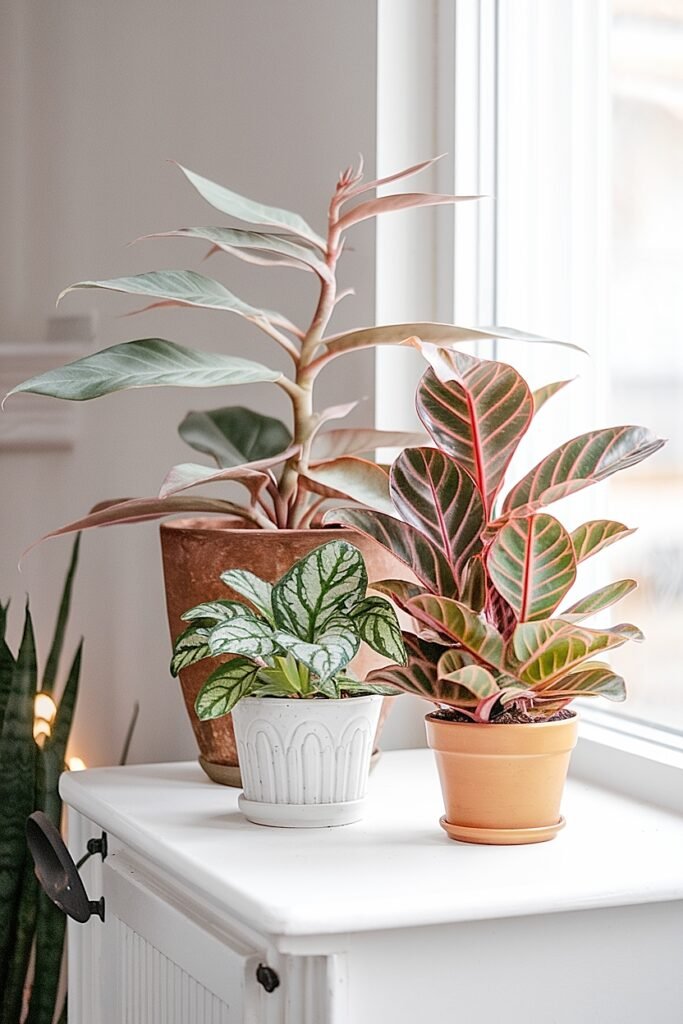
Walk through your home right now and actually look at every plant you own.
Not a casual glance while passing by. A proper look at the soil condition, the leaf color, the overall shape, whether a given plant is sitting in adequate light or has been slowly declining in a corner that never really suited it. Doing this inventory in October, a few weeks before the holiday, gives you time to respond. A struggling plant moved to better light now shows improvement by late November. A plant fed when it looks pale gains noticeable color in three to four weeks. October is exactly the right window for this because any intervention you make now shows visible results before guests arrive.
I do this walk-through with a notepad. It sounds excessive but it works. Plants in good health go on one list. Plants that need intervention go on a second list. Plants too far gone for display get moved to a recovery position and replaced for the season. The goal is to know, with certainty, which plants you have to work with and which ones need more time before they earn a guest-facing position in your home.
What healthy actually looks like in this context: firm stems, leaves fully colored without yellowing at the margins, soil that drains without pooling, no visible pests at the leaf undersides or soil line, a plant filling its pot without being so root-bound that the soil dries out daily. Not high standards. Just the baseline conditions that make a plant look like it was placed intentionally in a dining room rather than simply forgotten there.
The inventory step is unglamorous. It also determines every subsequent decision, from cachepots to positioning to hero plant selection. Know what you have before you spend a dollar on anything new.
For in-depth guidance on specific miniature flowering plants that bloom on their own November schedule and hold through the full holiday period, see miniature flowering house plants for Thanksgiving tables. If this article is already changing how you think about Thanksgiving plant decor, share it with a friend who always defaults to cut flowers. The best long-lived plant options are up next.
What Are the Best Long-Lived House Plants to Replace Cut Flowers for Thanksgiving Decor?
1. Peace Lily (Spathiphyllum wallisii) Peace lily blooms with white spathe flowers above deep glossy leaves and tolerates lower light than most flowering plants, making it useful in dining rooms without direct sun. White blooms suit both warm and cool autumn table palettes. Water when the top inch of soil dries out. A peace lily in a dark ceramic vessel at a Thanksgiving table end reads as a composed and deliberate botanical display that holds.
2. Snake Plant (Dracaena trifasciata) Snake plant holds its sculptural upright form whether watered consistently or neglected during a busy holiday week, which makes it specifically reliable for Thanksgiving display. The variegated yellow-and-green or silver-and-green leaf pattern creates strong visual structure without requiring any bloom. Tall varieties establish vertical presence in a room corner. Short bird’s nest varieties sit cleanly on a sideboard. Tolerates low light, warm indoor air, and irregular watering throughout.
3. Pothos (Epipremnum aureum) Pothos is the most adaptable living plant for Thanksgiving display because the trailing vines work in hanging vessels, on elevated shelves where foliage cascades over the edge, or trained along a mantle in ways that no cut arrangement can replicate. Golden pothos in a hanging basket near a dining area, vines falling at eye level, creates naturalistic botanical atmosphere for very little cost. Tolerates genuinely low light and irregular watering.
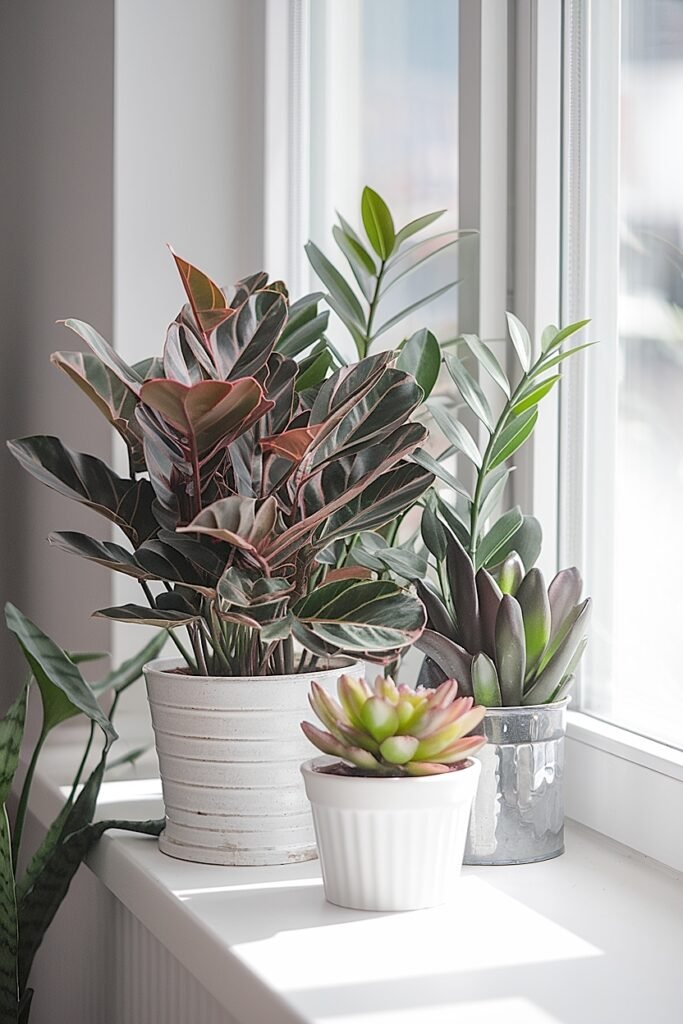
4. Rubber Plant (Ficus elastica Burgundy) A rubber plant in the Burgundy variety brings deep wine-red leaf tone to a Thanksgiving room that sits directly in the harvest color palette without any additional styling effort. Positioned in a large dark vessel at the corner of a dining area, a mature rubber plant adds scale, structure, and actual autumn coloring to a gathering space. Water when the top two inches of soil are dry. Avoid cold drafts.
5. ZZ Plant (Zamioculcas zamiifolia) ZZ plant’s deep glossy dark green compound leaves on arching stems create architectural elegance that plants in this size range rarely offer. The plant thrives under neglect, tolerates very low light, and holds shape and color through a week of holiday activity without visible decline. In a dark matte vessel at a Thanksgiving sideboard or dining room corner, a ZZ plant reads as a sophisticated botanical choice that demands almost.
6. Philodendron Brasil (Philodendron hederaceum Brasil) Heartleaf philodendron in the Brasil variety, with its yellow-and-green variegated foliage, produces trailing growth that picks up candlelight warmly in a Thanksgiving dining environment. The yellow-green variegation reads more luminous under amber table candles than solid green foliage does. Tolerates low to moderate indirect light and water every seven to ten days. The trailing form works in hanging baskets or elevated shelf positions near the dining area.
7. Cast Iron Plant (Aspidistra elatior) The name says most of it. Cast iron plant tolerates low light, temperature swings, irregular watering, and the general busyness of a holiday household without showing any of it externally. Long, dark strap-like leaves create elegant structure in a tall dark vessel. One large established cast iron plant in a handsome pot anchors a Thanksgiving dining room corner with quiet authority that more delicate, demanding plants cannot sustain through a.
Much more ahead on preparing these plants before guests arrive, starting with a cleaning step that creates an immediately visible difference.
How to Clean Living House Plant Leaves for Thanksgiving Decor
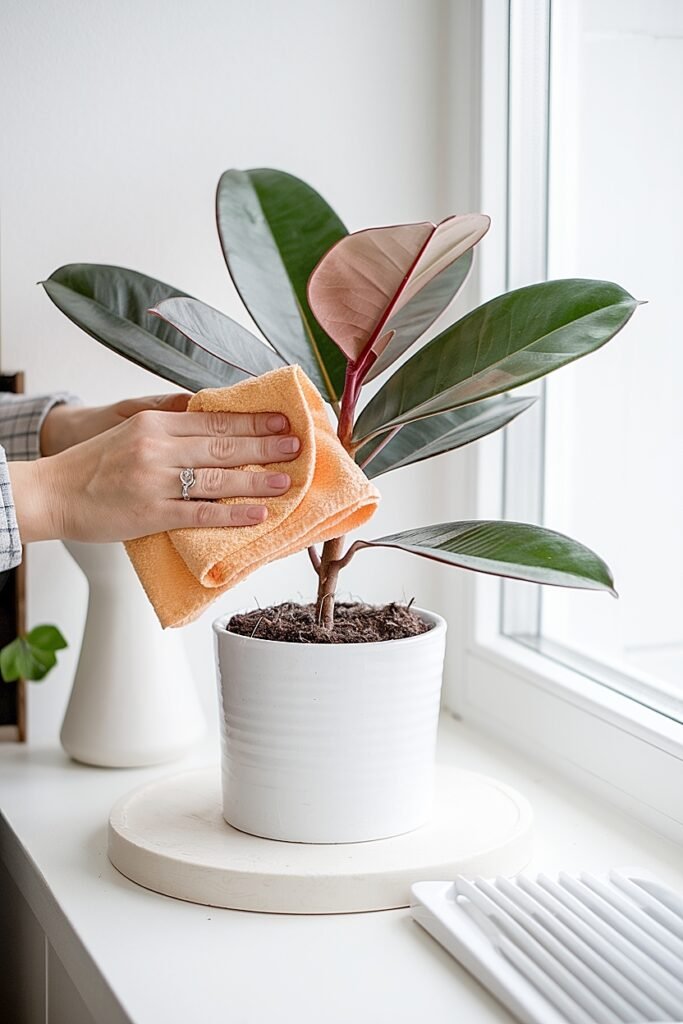
Dusty plant leaves look like forgotten plants.
That is the whole problem. Dust accumulates gradually enough that the person living with the plant stops noticing it. But guests walking into your home for Thanksgiving see it immediately, the way they notice a cobweb in a hallway corner that you stopped registering two months ago.
The cleaning method is straightforward. Dampen a soft cloth with plain water. Wipe each leaf from the base toward the tip on the upper surface, supporting the leaf from underneath with your other hand to avoid stressing the stem connection. Work from the top of the plant downward. For plants with many small leaves, a soft-bristled brush or a gentle mist from a spray bottle works better than wiping each leaf individually. Skip commercial leaf shine products. The waxy residue looks artificial at close dining range and blocks leaf pores over time.
The difference between a dusty plant and a properly cleaned one is not subtle. Colors become noticeably more saturated. Variegated leaves show their patterns clearly. The whole plant looks as if it arrived recently rather than sitting in the same corner of your living room since February.
Clean plants at least two days before the holiday. You want everything fully dry and the plant settled before guests arrive, not damp and slightly disrupted from handling. This matters most for plants with dense foliage where moisture might linger in crevices if dried too quickly.
Easy Ideas for Using Cachepots in Thanksgiving House Plant Decor
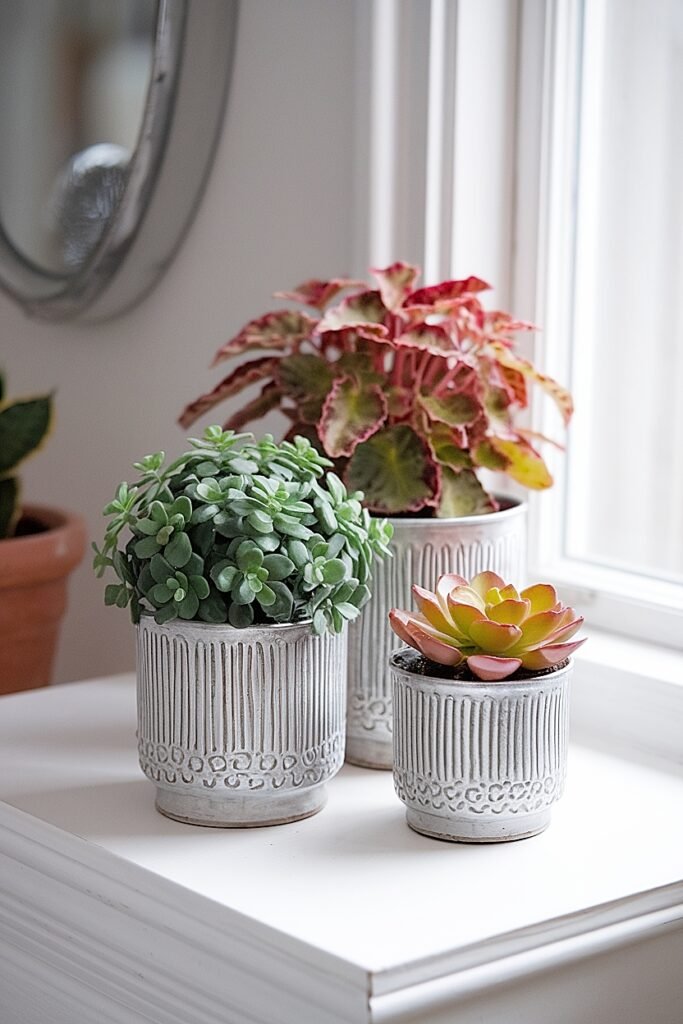
1. Dark Terracotta Cachepot Over Any Standard Nursery Pot Slide a plastic nursery pot into a terracotta cachepot one size larger. The plastic container sits inside without being seen. No repotting, no root disturbance, no drainage complications because the nursery pot manages water independently inside. One cachepot swap transforms a utilitarian plant into a deliberate Thanksgiving display object for.
2. Woven Basket as a Large Floor Plant Cachepot A natural seagrass or dark wicker basket around a floor plant nursery pot creates a warm textured display that reads as specifically Thanksgiving-appropriate without additional styling. The basket conceals the plastic container. The plant above it looks placed with intention. Choose a basket where the nursery pot drops in level.
3. Wide Dark Ceramic Bowl for Low-Spreading Plants Wide low dark ceramic bowls work as cachepots for snake plants, bird’s nest ferns, and compact plants with spreading rather than upright habit. The broad vessel base creates visual stability at a table or sideboard surface. Available inexpensively from home goods stores, often in the food serving section, for less.
4. Matching Vessels Across Multiple Plants in One Room Three matching dark cachepots in the same finish, one plant each, positioned at different points in the Thanksgiving gathering space: table, sideboard, entry. The repeated vessel creates visual coherence across the room without requiring the same plant species in each position. Different plants, consistent containers, one coordinated seasonal room.
5. Copper or Brass Vessel for a Single Statement Plant A copper or brass cachepot around one plant creates a warm metallic focal element at Thanksgiving that reflects candlelight in ways matte ceramics do not. Works particularly well with a dark-leafed rubber plant or trailing pothos where the metallic vessel creates clear contrast against organic leaf form.
The section ahead on plant inspection covers a few situations that can make an otherwise good plant a poor choice for Thanksgiving display.
Ways to Inspect Living House Plants Before Thanksgiving Entertaining
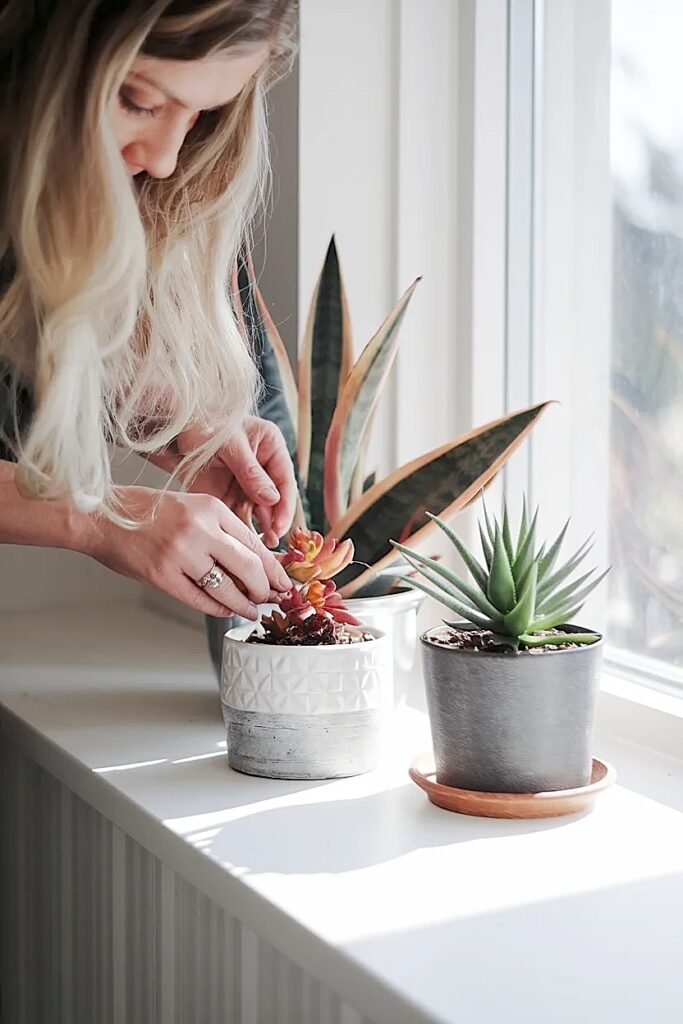
1. Examine Leaf Undersides for Pests Turn leaves over and look carefully at the undersides, particularly the leaf axils where stem meets leaf and the newest growth tips. Spider mites leave fine webbing. Mealybugs appear as white cottony clusters. Scale shows as small brown bumps along stems. Catching pests one week before Thanksgiving allows time for.
2. Assess Soil and Drainage Health Press a finger into the top inch of each plant’s soil before committing to any display position. Soil that is compacted, water-repelling, or perpetually waterlogged signals a root or drainage condition that shows as wilting or yellowing through a busy holiday week of inconsistent attention. Compacted soil needs aeration or.
3. Clear All Dead and Declining Foliage Walk through every plant and remove every dead leaf, every yellowing stem, every dried flower head before guests arrive. Remove material cleanly at the node so no stub remains to continue dying back. The result is a plant that reads as actively growing rather than one with mixed signals of.
More ahead on the simplest overall Thanksgiving plant decor approach, which starts with plants you already own and already know.
Ideas for Reusing Existing House Plants as Thanksgiving Decorations
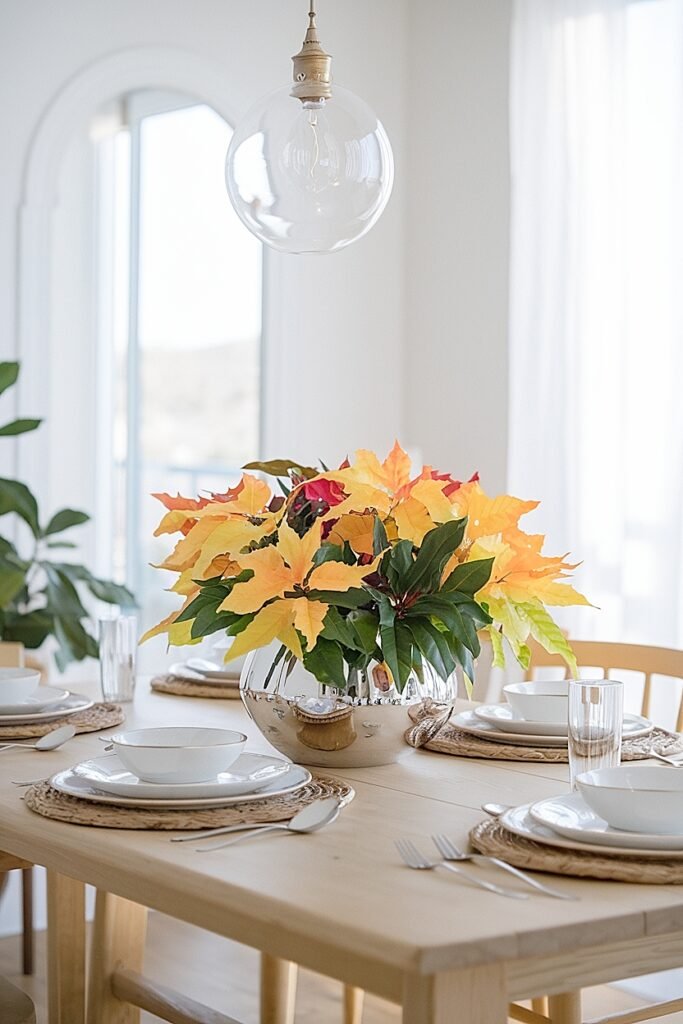
1. Temporarily Relocate a Strong Plant From a Private Room The well-grown plant in your spare bedroom or home office might be exactly the right specimen for a Thanksgiving dining room display. Moving it repositions an established plant to where guests actually see it, without buying anything new. Return it to its usual spot after the holiday. The plant is.
2. Group Three Plants at Varied Heights on One Surface Take three plants of different heights from various spots around your home. Place them together on a single sideboard, console, or shelf. The height variation within one grouped display reads as a botanical vignette. The grouping works regardless of species combination as long as container tones stay consistent across all.
3. Elevate a Trailing Plant to Let It Hang Any trailing plant, pothos, heartleaf philodendron, string of pearls, reads as a completely different plant when elevated on a shelf or pedestal so the vines fall freely downward. A plant at floor level for the past year becomes a significant room element when repositioned at height. The plant is the.
4. Move a Large Foliage Plant Into a Corner of the Dining Area A large established plant living against a wall in an uninhabited room carries real scale and presence into a Thanksgiving dining corner when moved temporarily. Scale is expensive to purchase as a new plant. Your existing large specimens already have it. Use them where guests will spend the most time.
5. Formalize Window Plants With a Cachepot Swap Plants already positioned near a window are already in their best natural light conditions. If the Thanksgiving dining area includes a window, the plants at that sill become part of the seasonal display without any repositioning at all. Swap their containers for matching dark cachepots and the existing window plants.
How to Source Living House Plants Responsibly for Thanksgiving Decor
Here is advice that feels counterintuitive.
Skip the big box store for Thanksgiving display plants.
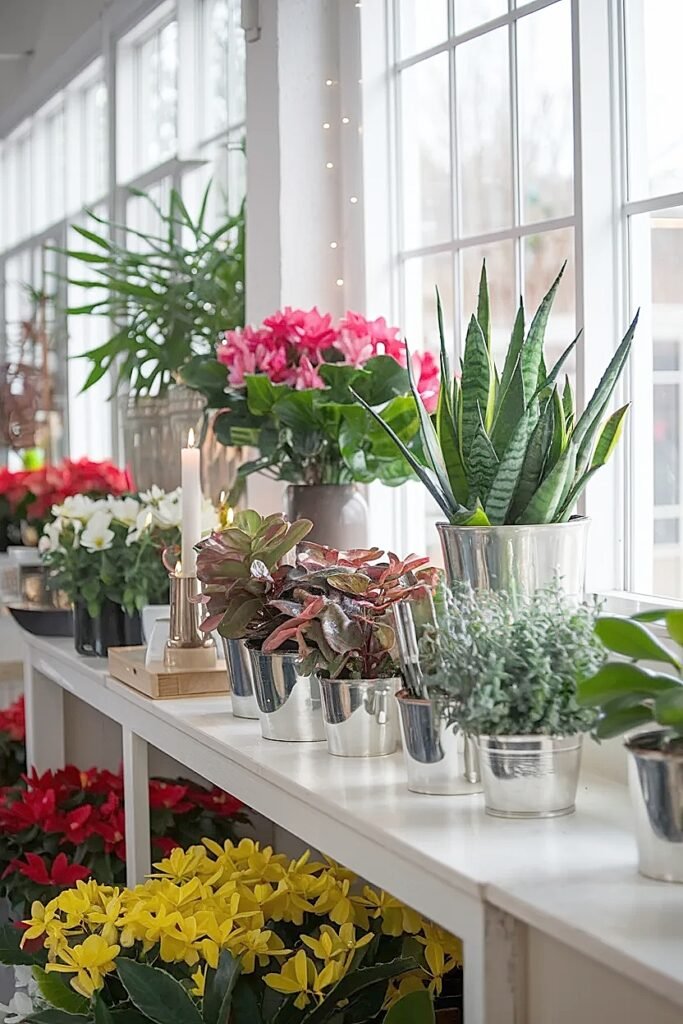
Not because those plants are always in poor condition, but because the turnover rate at large chain garden centers means individual plants sit in suboptimal retail conditions for inconsistent periods. A plant that has spent three weeks under fluorescent light on a retail floor is genuinely different from one purchased at a local nursery that moves stock quickly and cares for plants with more attention.
Independent nurseries typically carry better-conditioned specimens, knowledgeable staff who can tell you when a shipment arrived, and faster inventory rotation that means you are more likely to bring home a plant that has been healthy for less time rather than more. Ask when a specific plant came in. Ask whether it has been acclimating to indoor conditions or arrived from an outdoor growing environment recently. A plant transitioning from outdoor growing to an indoor November home office may drop leaves as it adjusts, which is normal for the plant and deeply inconvenient for a Thanksgiving display.
October and early November farmers’ markets often include plant vendors whose inventory is well-maintained, locally grown, and sold by someone who actually cares what happens to the plant after it leaves. These sources tend to yield the most display-ready specimens at this time of year.
Creative Ways to Choose One Hero House Plant for Thanksgiving
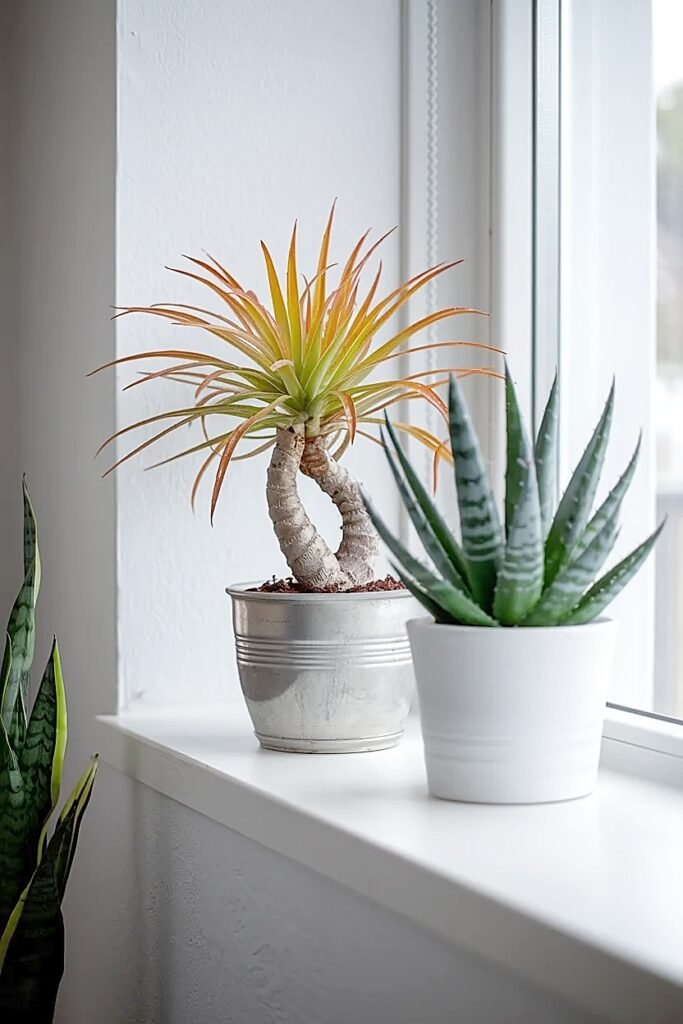
1. Choose by Scale Relative to the Primary Gathering Space A hero plant earns its role by being noticeably larger than anything else in the room. In a compact dining room, a three-foot fiddle leaf fig in a large dark vessel is a hero plant. In an open-concept living and dining space, you might need a four to five foot.
2. Choose by Leaf Color Against the Autumn Palette A Burgundy rubber plant with wine-red leaves, a golden pothos where the variegation reads warm in autumn candlelight, a deep ZZ plant that creates rich dark contrast against warm wall color: one plant chosen specifically for its leaf tone relative to the Thanksgiving palette does color work that a generically.
3. Choose by Natural Bloom Timing If you want a hero plant that blooms at Thanksgiving specifically, the timing has to be managed in advance. Peace lily bloom cycles respond to a brief period of cooler temperatures and reduced watering followed by warmer conditions and increased hydration. Cyclamen blooms on its own November schedule with no.
Conclusion
The case for cut flowers at Thanksgiving is easy to make.
Beautiful. Seasonal. Available everywhere. Done in an hour.
But gone by Sunday.
Living plants bring something to a Thanksgiving gathering space that borrowed-from-the-store arrangements cannot. They were in your home before the guests arrived. They are still there after. The rubber plant in the corner, the grouped trio on the sideboard, the peace lily in bloom at the table end: these are not decorations in the temporary sense. They are the room’s ongoing botanical presence and Thanksgiving is simply the occasion to finally notice them.
One strong healthy plant. Right container. Clean leaves. Good position.
That outperforms a dozen cut stems in every way that matters past Thursday evening.
This website contains affiliate links, and some products are gifted by the brand to test. As an Amazon Associate, I earn from qualified purchases. Some of the content on this website was researched and created with the assistance of AI technology.